
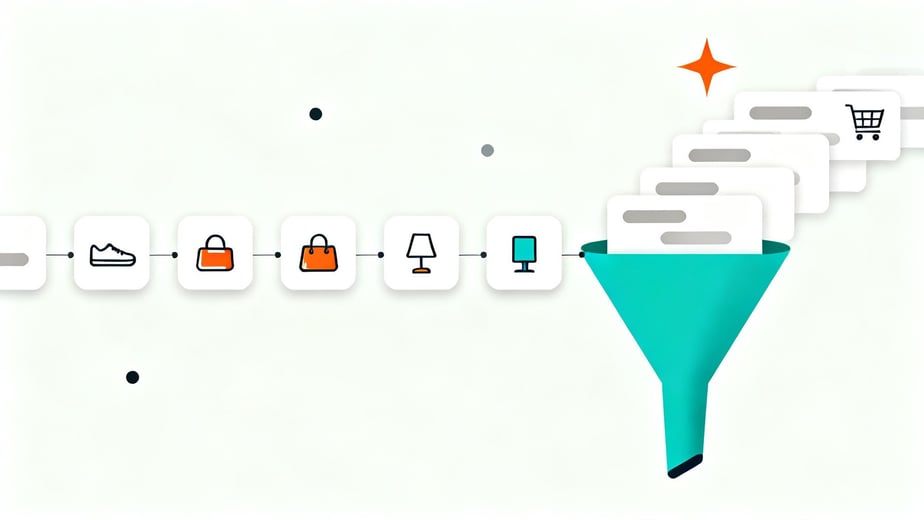
AI Shopping and Performance Max are clever in ways that genuinely move sales. But they are clever about something specific: matching the right product to the right person at the right moment. To do that, they read your product feed. The feed is the only thing they really know about what you sell. Everything the system decides, where your products show, for which searches, at what price against which competitor, traces back to the data in that feed.
Which leads to the part that matters. The machine is only as good as the product data behind it. Feed the system clean, complete, accurate data and it has a real chance to perform. Feed it gaps and guesses and it makes confident decisions on bad information, at scale, all day. Garbage in, garbage out, except now the garbage is being optimized by something very fast.
The feed is the signal, not the plumbing
It is easy to treat the product feed as plumbing. Something the developer set up once, that technically works, that nobody looks at again. For AI-driven Shopping that mindset quietly costs you, because the feed is not plumbing. It is the signal.
When someone searches, the system is not looking at your website. It is matching their query against your feed. The title, the product type, the attributes, the category, the identifiers. If that data is thin or wrong, the machine does not know to compensate. It just matches less well, shows your product for the wrong searches or not at all, and you never see the sale that did not happen. There is no error message for a feed that is merely mediocre. The cost shows up as performance that is fine when it could have been good.
This is why feed quality is one of the highest-leverage things an ecommerce account can work on right now. You are not tuning the AI. You are improving what it reads, and everything downstream improves with it.

What clean product data actually means
Feed quality is not one thing, it is a handful of unglamorous details that add up. The ones that move the most:
Titles that describe the product the way people search for it. The title is the single strongest piece of data in the feed. Front-load what matters: brand, product, the attributes buyers actually type, like size, color, material, model. A title written for a human browsing your site is often the wrong title for a system matching queries. The machine reads the words, not the intent behind them.
Images that are correct, clean and high quality. The image is what stops the scroll. Wrong color shown, a watermark, a cluttered background, a placeholder that never got replaced, each one quietly suppresses how your product gets served. The system favors listings that look right, because those are the ones that get clicks.
Attributes filled in, not left blank. Color, size, material, gender, age group, condition, and the category-specific fields. Every blank attribute is a question the machine cannot answer, so it matches you to fewer relevant searches. Completeness here is not box-ticking. It is the difference between showing up for a specific, high-intent search and being passed over for a competitor who filled the field in.
Pricing and availability that are accurate and current. Stale prices and stock that says available when it is not lead to disapprovals, wasted impressions, and a frustrated buyer who clicked through to something they cannot have. The system also competes partly on price, so accurate, current pricing is part of how well you show, not just a compliance detail.
Identifiers that are present and correct. GTINs, MPNs, brand. These are how the system understands exactly what the product is and matches it against the wider market. Missing or wrong identifiers leave the machine guessing at something it could have known for certain.
None of this is exotic. That is rather the point. The work that decides AI Shopping performance is mostly ordinary data hygiene done properly, not a secret setting.
Why the payoff compounds
Here is the part that makes feed work worth prioritizing. Every improvement to the feed is read by the system on every auction, for every product, indefinitely. You fix a category of titles once and the better matching keeps paying out long after the work is done. Clean the attributes across the catalog and the system has more to work with on every search from then on.
It compounds the other way too. A feed left to drift, prices going stale, new products landing with thin data, attributes never backfilled, slowly starves the very system you are paying to perform. The decline is gradual and easy to miss, because nothing breaks. Performance just settles lower than it should, and the AI takes the blame for a data problem.
This is also where the right use of AI sits, by the way. AI is genuinely useful for the feed work itself: drafting better titles across thousands of products, spotting gaps, suggesting missing attributes at a scale no person could match by hand. But it is a tool doing the legwork. Someone still has to decide what a good title looks like for your products, check the output is right, and own the standard. The judgment stays human. The grind does not have to be.
Where to start
If AI Shopping or Performance Max is a meaningful part of your revenue, the feed deserves a proper look before anything else. Not because the campaigns are set up wrong, but because the best campaign in the world is still reading from the feed you give it. Clean data is the cheapest performance gain most ecommerce accounts have available, and it is sitting in plain sight.
If you want a clear read on the state of your product data and where the quickest wins are, that is a conversation worth having. It tends to surface more upside than people expect, because the feed is the one part of the account almost nobody has looked at properly in a while.